圣塔菲课程:Introdution to Complexity

适用人群
适用人群
课程内容
课程内容
课程设计/使用方法
课程设计/使用方法
课程大纲
课程大纲
-
What is Complexity? -
Dynamics and Chaos -
Fractals -
Information, Order and Randomness -
Genetic Algorithms -
Cellular Automata -
Models of Biological Self-Organization -
Models of Cooperation in Social Systems -
Networks -
Scaling in Biology and Society
课程资料
课程资料
Homework、Quizzes
Homework、Quizzes
NetLogo
NetLogo
讲师介绍
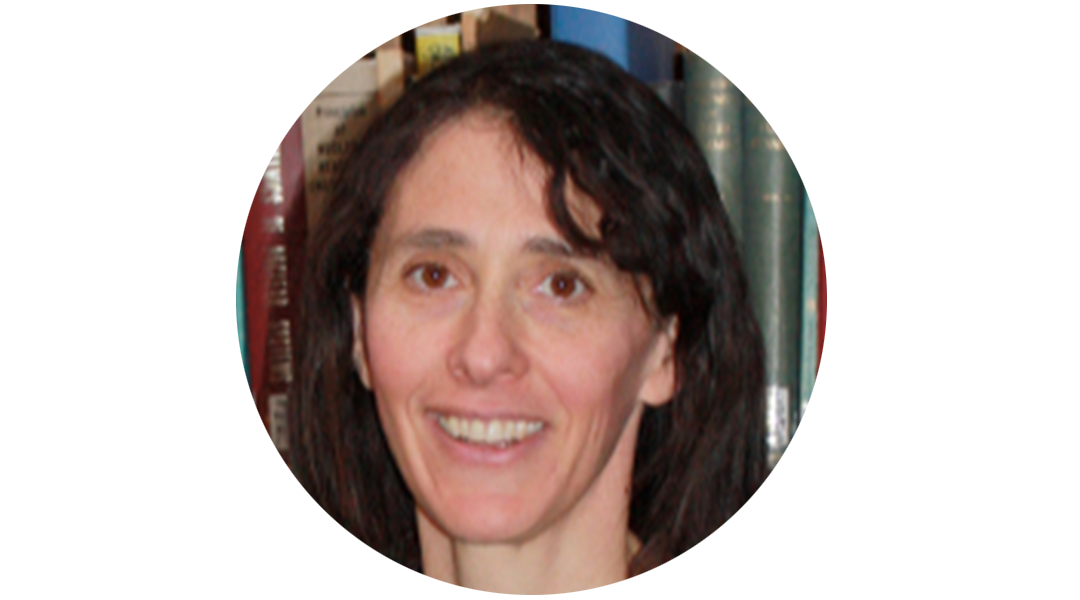
Professor of Computer Science at Portland State University, and External Professor and Member of the Science Board at the Santa Fe Institute. Author or editor of five books and over 80 scholarly papers in the fields of artificial intelligence, cognitive science, and complex systems.
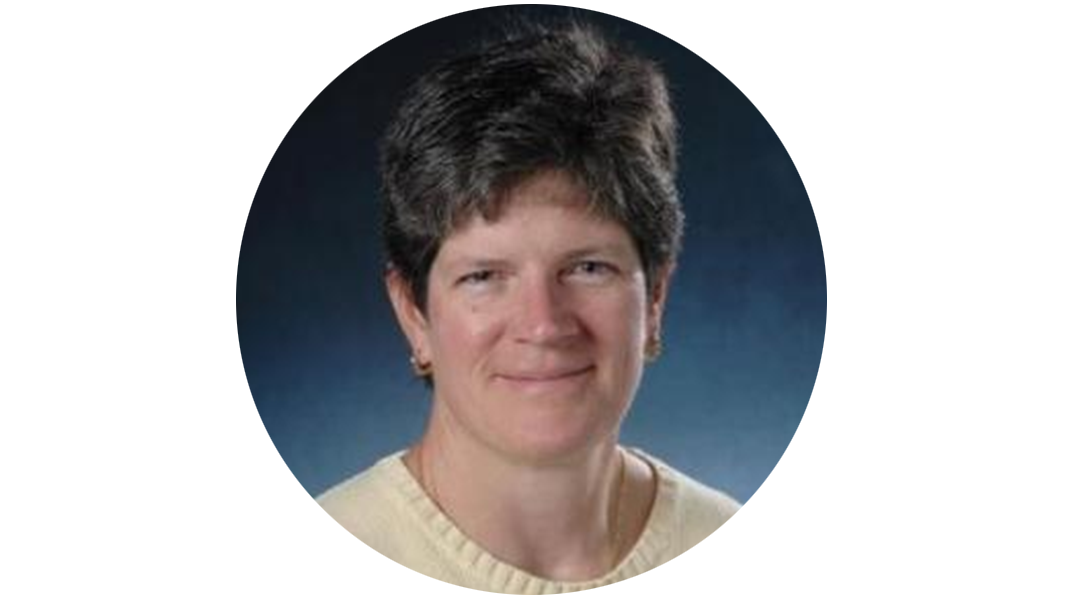
Santa Fe Science Board, External Professor. Professor of Computer Science, University of Colorado. Her research interests include nonlinear dynamics, artificial intelligence, and control theory.

Professor of Physics and Earth and Planetary Science, UCD. External Professor, The Santa Fe Institute, Santa Fe, NM.Interest in the development of methods for earthquake forecasting based on studies of chaos and complexity in driven nonlinear systems, as well as on the use of realistic, large scale numerical simulations. More recently, he has developed an interest in viewing crashes in economic and financial systems as a kind of .Econoquake. that might be understood by analogy to earthquakes and other first order (nucleation) phase transitions. Personal Website: http://rundle.physics.ucdavis.edu
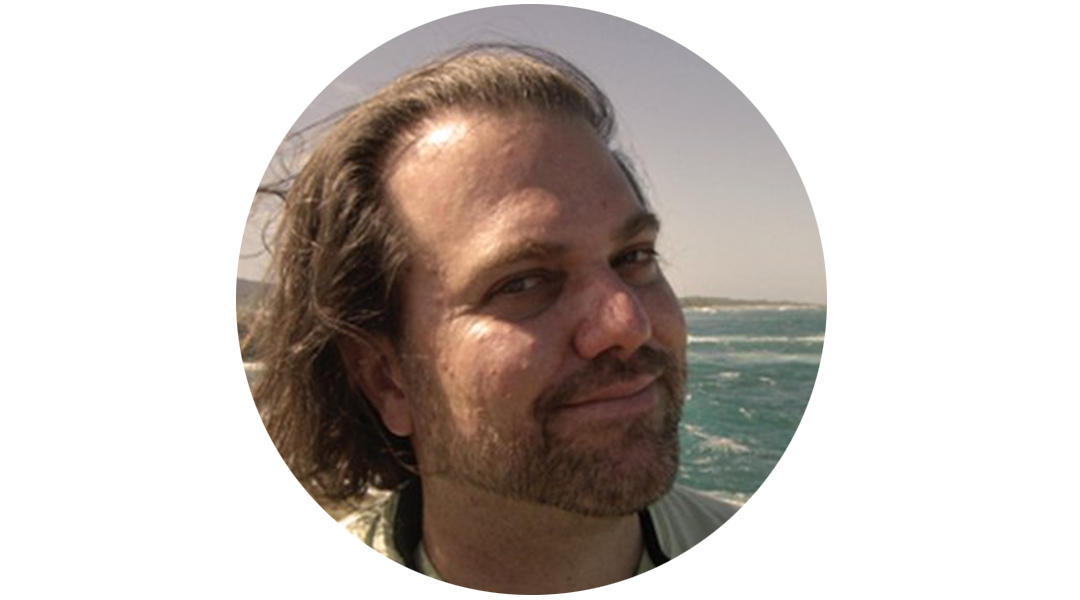
Professor of Physics at the University of California, Davis, where he directs a new research and graduate program at the Complexity Sciences Center. Prior to this he was Research Professor at the Santa Fe Institute for many years, where he directed the Dynamics of Learning Group and SFI’s Network Dynamics Program. His current research interests center on computational mechanics, the physics of complexity, statistical inference for nonlinear processes, genetic algorithms, evolutionary theory, machine learning, quantum dynamics, and distributed intelligence. He has published over 140 papers in these areas, most are available from his website: csc.ucdavis.edu/∼chaos.
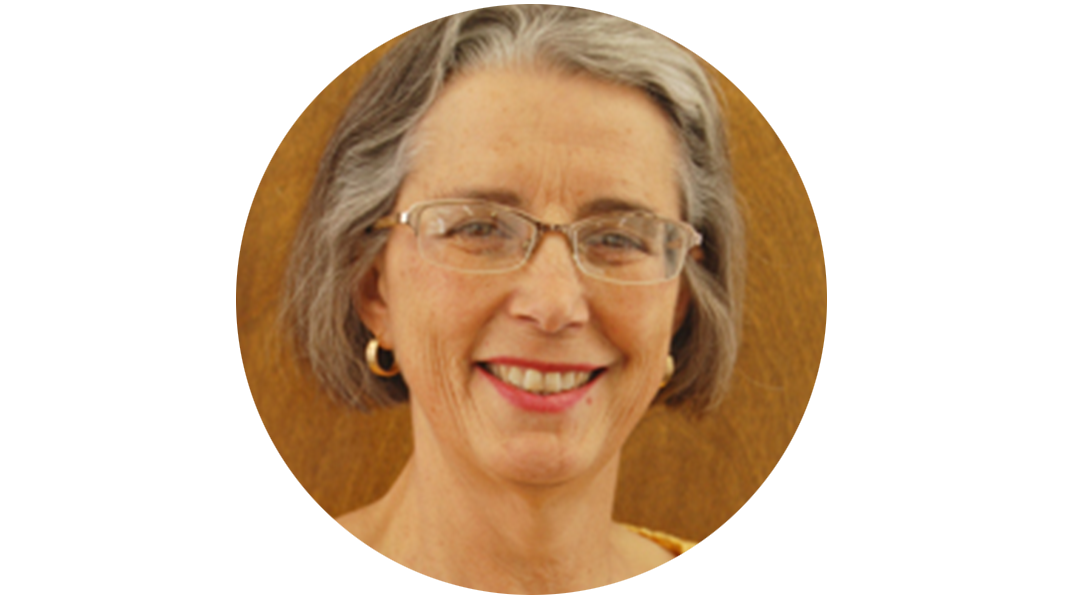
Professor in CIDSE and Center Director in the Biodesign Institute. She is a computer scientist who studies the biology of computation and computation in biology, including biological modeling of immunological processes and evolutionary diseases, cybersecurity, software engineering, and evolutionary computation and an External Professor and Science Board member at the Santa Fe Institute. Professor Forrest is a member of the Adaptive Computation Group at UNM, where she studies adaptive systems, including genetic algorithms, computational immunology, biological modeling, and computer security. She is also a member of the Program in Interdisciplinary Biological & Biomedical Science (PIBBS) and the Center for Evolutionary and Theoretical Immunology (CETI).
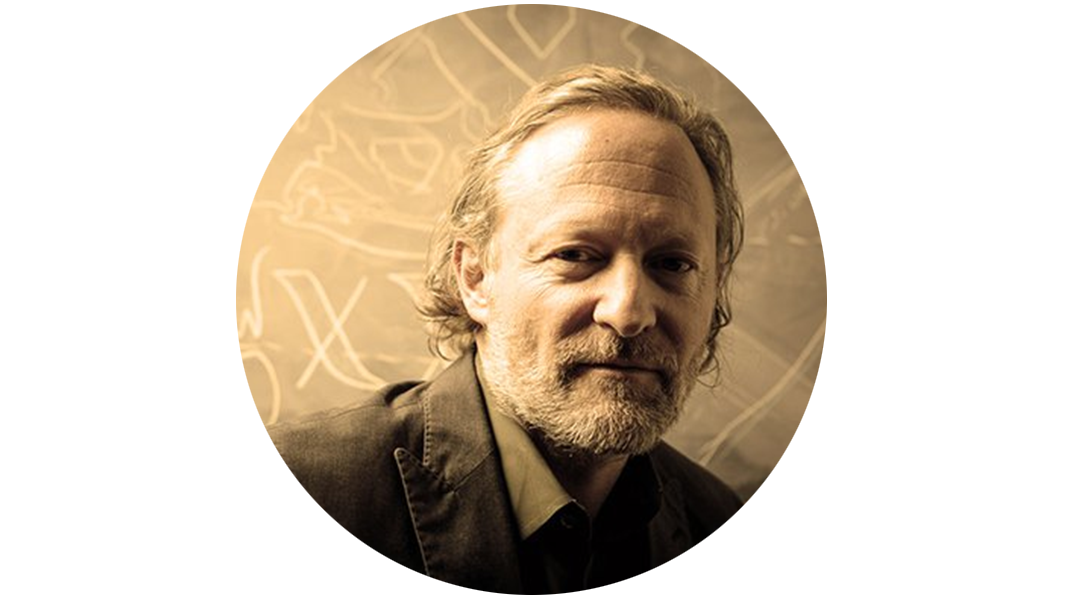
President and William H. Miller Professor of Complex Systems. David’s research focuses on the evolutionary history of information processing mechanisms in biology and culture. This includes genetic, neural, linguistic and cultural mechanisms. The research spans multiple levels of organization, seeking analogous patterns and principles in genetics, cell biology, microbiology and in organismal behavior and society. At the cellular level David has been interested in molecular processes, which rely on volatile, error-prone, asynchronous, mechanisms, which can be used as a basis for decision making and patterning. David also investigates how signaling interactions at higher levels, including microbial and organismal, are used to coordinate complex life cycles and social systems, and under what conditions we observe the emergence of proto-grammars. Much of this work is motivated by the search for ‘noisy-design’ principles in biology and culture emerging through evolutionary dynamics that span hierarchical structures.
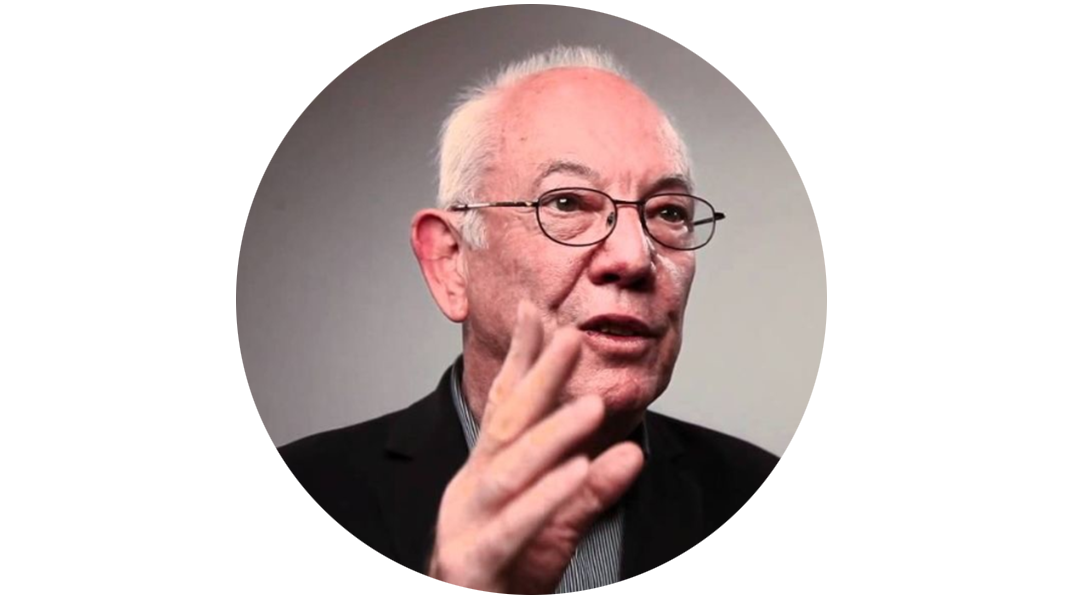
复杂性科学先驱、著名经济学家
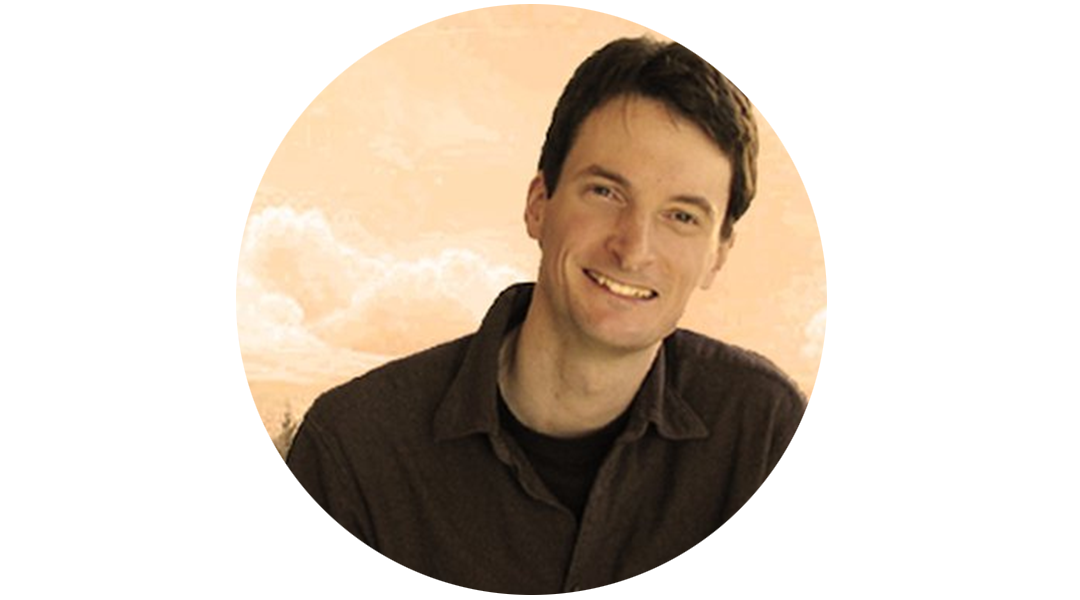
Research on statistical physics and the theory of complex systems, with a primary focus on networked systems, including social, biological, and computer networks, which are studied using a combination of empirical methods, analysis, and computer simulation. Among other topics, he and his collaborators have worked on mathematical models of network structure, computer algorithms for analyzing network data, and applications of network theory to a wide variety of specific problems, including the spread of disease through human populations and the spread of computer viruses among computers, the patterns of collaboration of scientists and business-people, citation networks of scientific articles and law cases, network navigation algorithms and the design of distributed databases, and the robustness of networks to the failure of their nodes.
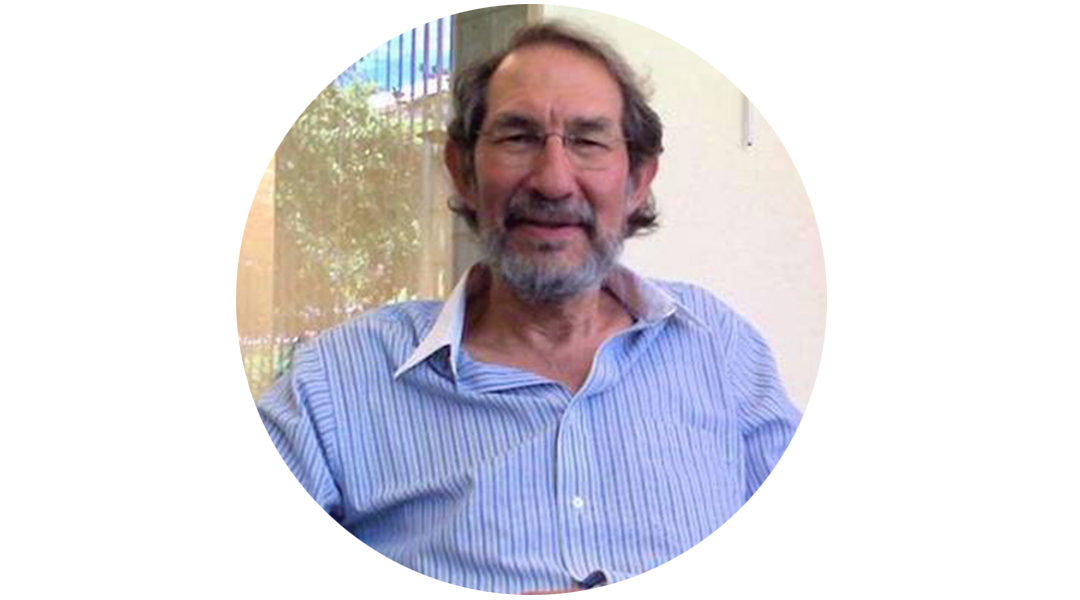
英国理论物理学家,城市科学的顶尖学者,圣塔菲研究所杰出教授和前任所长。

Professor of Ecology and Evolution at the University of Chicago and External Professor of Complex Systems at the Santa Fe Institute. He has worked extensively on complex systems theory and on cities and urbanization, in particular. His research emphasizes the creation of new interdisciplinary synthesis to describe cities in quantitative and predictive ways, informed by classical theory from various disciplines and the growing availability of empirical data worldwide.
课程学习

学习地址:
https://campus.swarma.org/course/1349

微信扫一扫,分享到朋友圈